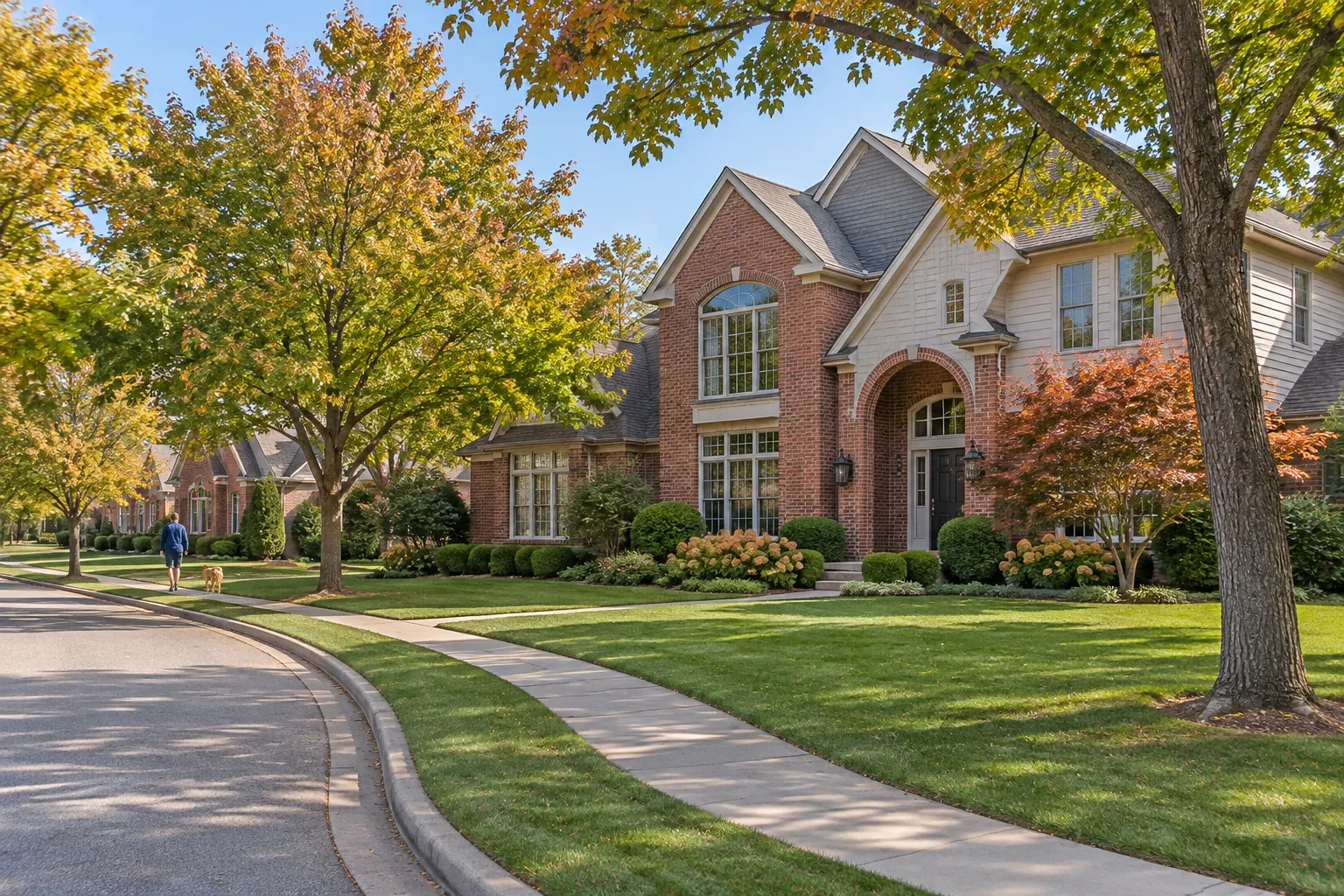
Nichols Hills was developed in 1929 by Dr. G.A. Nichols as an exclusive residential area and became its own municipality that year, with curving streets named after English towns laid out by the Kansas City landscape firm Hare and Hare. It is surrounded by Oklahoma City on three sides and The Village on the north. With 3,870 people in 2020, 90.2% owner-occupied homes and a 2020 median household income of $218,500, it has kept strict land-use and zoning rules since its founding. This page covers film for its homes; other towns are on the areas page.
What window film suits Nichols Hills homes?
Film that protects interiors without changing the look of the house: clear UV film, light ceramic or spectrally selective heat film, and low-reflective products. Many homes here have large windows, expensive flooring, art and furnishings, so slowing UV fading is often the main goal, with heat and glare control close behind.
See UV blocking window film and ceramic window film.
How do Nichols Hills' land-use rules affect film?
The city has kept strict land-use and zoning rules since its inception, and exterior appearance tends to matter to residents. Interior film that looks clear from outside is unlikely to raise concerns; mirrored or colored film visible from the street is the kind of change worth checking with the city or any applicable guidelines first.
Low-reflective choices are covered on exterior and low-reflective window film.
How does film protect art, rugs and floors?
By blocking up to 99% of UV, the main driver of fading, and, with heat-rejecting films, some of the visible light and heat that also contribute. The Skin Cancer Foundation says qualifying UV films block 99% or more of UVA and UVB. No film stops fading entirely, so valuable pieces in direct sun still benefit from placement and rotation.
Is privacy film used in Nichols Hills?
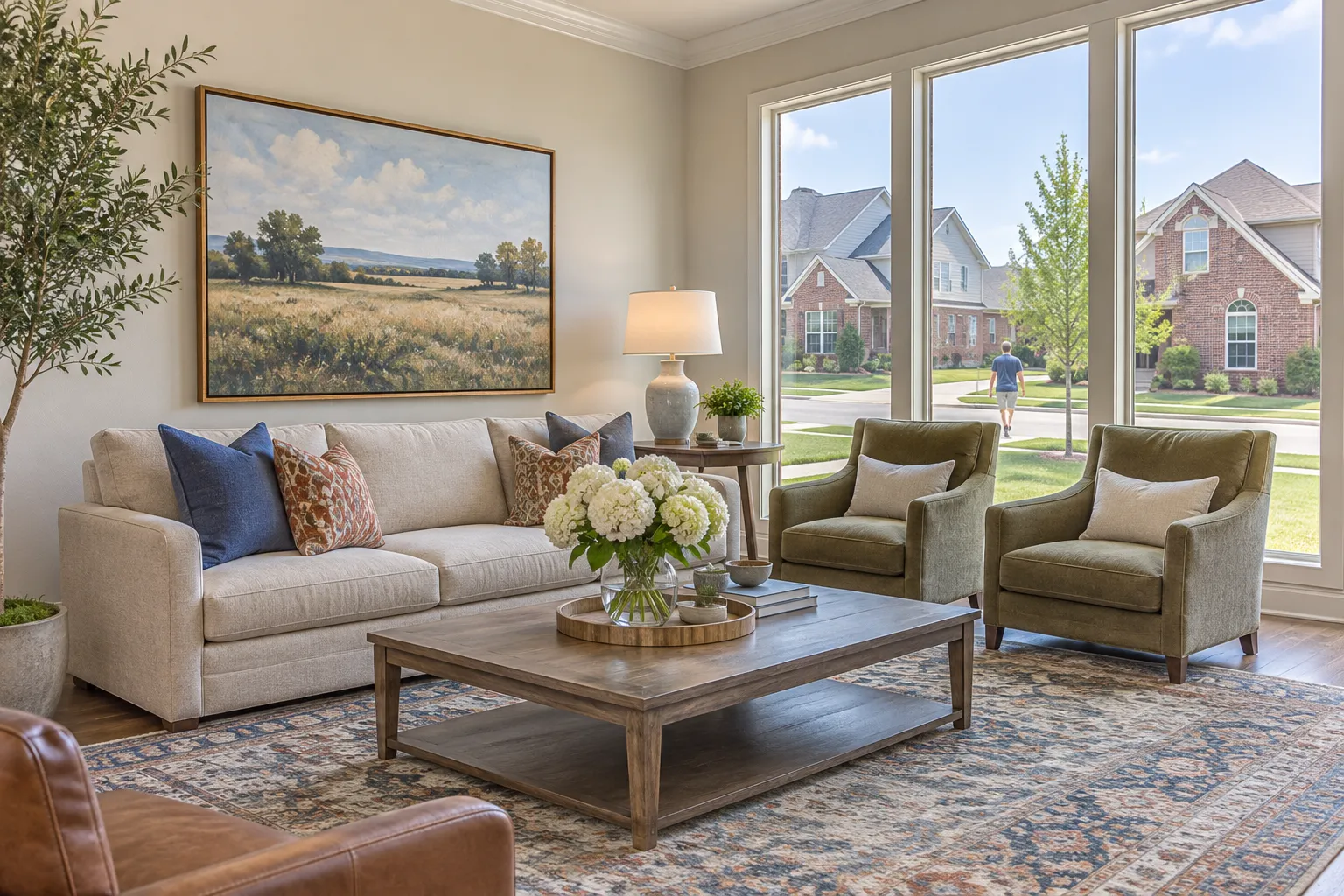
Mostly on bathrooms, entry glass and glass near the street. Frosted or etched-look film suits front doors and sidelights; for large rear windows facing private gardens, privacy is rarely the issue and clear heat film keeps the view. Decorative film can also suit older homes' interior glass.
See glass door frosting and decorative window film.
What about older original glass in Nichols Hills?
Some houses date from the city's early decades and may have original or older glass. On that glass, film can cut heat and UV without replacing historic windows, but the glass condition and any glazing compound are checked first. Very old or wavy glass is handled gently, and some films suit it better than others.
What does window film cost in Nichols Hills?
Per-square-foot pricing is the same as across the metro: national guides list about $5 to $15 installed for most home film and about $10 to $20 for ceramic. Large houses with a lot of glass, tall windows needing lifts, and premium films raise the total more than the rate.
See ceramic window film cost. For your own house, share a few details and we'll arrange a local installer to visit and set out the price in writing.
Questions people ask
What is the best window film for protecting art and furniture?
A high-UV-rejection film, ideally one that also cuts some heat and light, such as a clear UV or light ceramic film. Look for a stated UV rejection of 99% or more. Pair film with sensible placement, since no film stops fading completely.
Will window film change how my house looks?
Not with clear or light ceramic film, which look close to untreated glass from outside. Mirrored and dark films do change the look. In a city with strict appearance rules, light, low-reflective film is the safe choice for street-facing glass.
How much does it cost to tint a large home?
It depends on the glass area, access and film. At guide prices of about $5 to $15 per square foot, or $10 to $20 for ceramic, a glass-heavy house can run to several thousand dollars. A visit gives a written quote by window so you can choose priorities.
This area guide is part of Paneshade.
Sources
Last changed